
CASE STUDY 03 — WORKFORCE DEVELOPMENT
Meeting Students Where They Are
Meeting Students Where They Are: Facilitating Career Readiness for the Next Generation of Cleantech Leaders
A facilitation engagement by Innovative Impact Lab with a workforce-development nonprofit
OVERVIEW
A workforce-development nonprofit runs a regional cleantech career academy that prepares young people from low-to-moderate-income communities for jobs in the clean-energy economy, pairing virtual, cohort-based learning with mentorship, paid work experience, and college scholarships. When the academy needed dependable facilitation capacity to keep that experience consistent and engaging, it brought in Innovative Impact Lab. Across six cohorts, IIL has been a steady presence in the virtual classroom, known for drawing out quiet students,
building their confidence, and helping a stretched team cement how the program runs. Students rate its sessions among the program’s strongest.
THE CHALLENGE
Running a 12-week virtual program for young people is hard in a specific way: attention fades. Early on, energy is high. By the middle and later weeks, students go quiet, cameras stay off, and participation thins out. For a program whose goals include not just teaching cleantech awareness but building young people’s confidence to speak up and engage with seasoned professionals, that drop-off is the whole battle.
The academy faced a second challenge at the same time. The person hired to manage the program had left after only a few months, and the team needed capacity to keep facilitation moving while the program was still, in its director’s words, forming and norming. They needed a partner who could step in, grasp the mission quickly, and bring structure without needing to be managed.
THE APPROACH
Innovative Impact Lab stepped into that gap. As the facilitation partner across the academy’s virtual sessions, IIL prepared and interviewed industry guest speakers, carried and delivered the program’s curriculum, and at times designed content, focused on the practical, confidence- building skills young people need to launch a career: how to craft and deliver an elevator pitch, how to use the STAR method to answer interview questions, and how to follow through on networking connections.
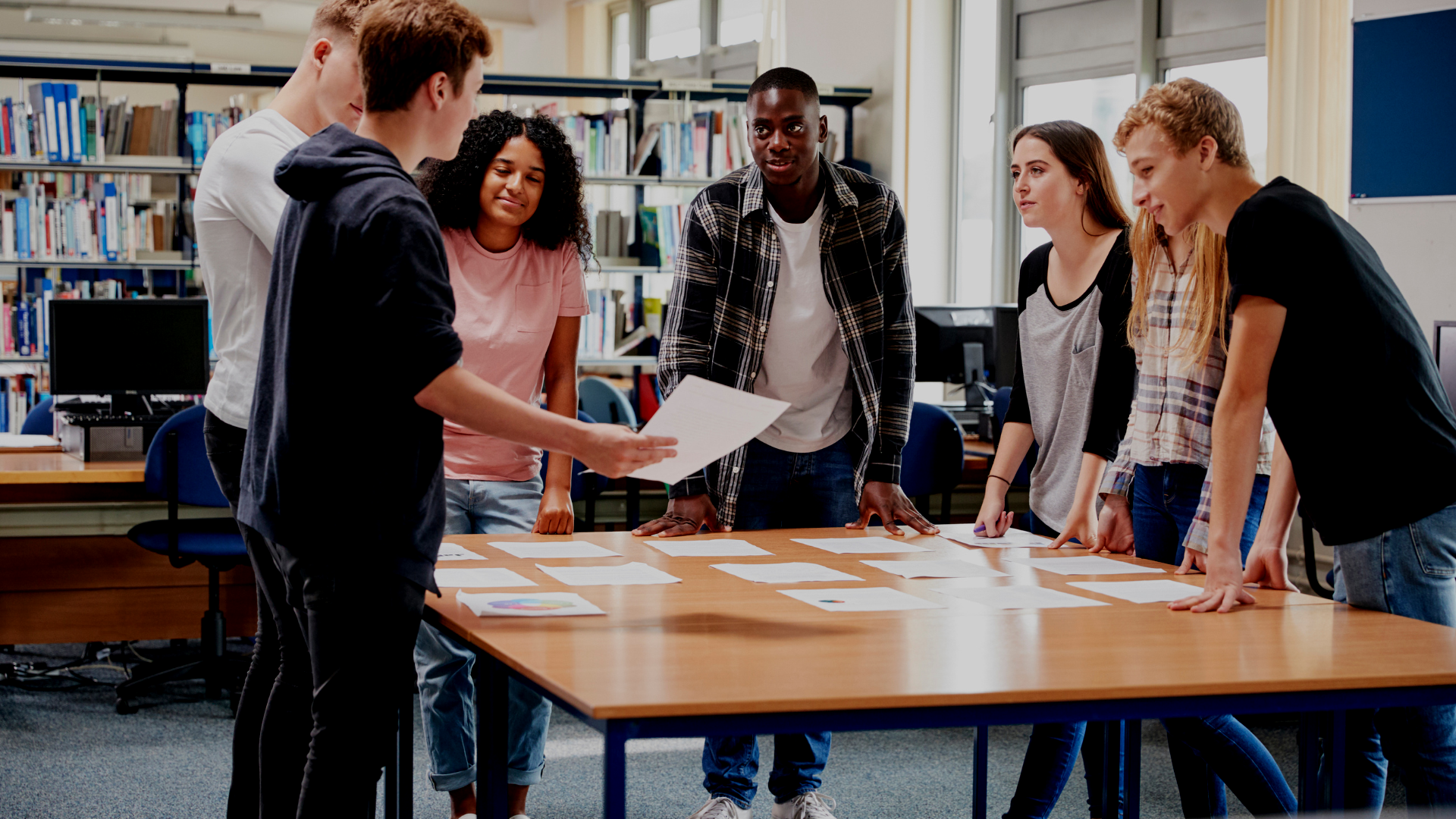
What set the work apart was less the content than the room. In a virtual setting where it is easy for a young person to disappear behind a muted microphone, IIL actively drew students out, encouraging them to ask questions, respond in the chat, and participate, especially in the later weeks when engagement typically drops. Skilled live facilitation could turn even an unscripted moment into a highlight. When a guest speaker once arrived without prepared remarks, it was careful listening and well-placed questions that carried the session and pulled the group into a deeper conversation.
Behind the scenes, IIL also helped the organization steady itself. After the program lost its lead, IIL helped the team level-set and cement how sessions were facilitated and delivered, working out a facilitation rhythm that brought fluidity to a program still finding its footing. Its director credited IIL as key to finding that balance.
THE RESULTS
Students consistently rate IIL’s sessions highly, and just as telling are the takeaways they name afterward, which are concrete and usable: applying the STAR method to interview questions, building an elevator pitch, and following through on professional connections. These are the building blocks of the confidence the program is designed to create.
IIL’s facilitation has also contributed to a program with real, measurable impact. The academy serves young people entirely from low-to-moderate-income communities, a majority of them youth of color, and to date the program reports more than 280 graduates and an 87% completion rate, with the large majority going on to enroll in college.
The stakes behind those numbers are generational. Georgetown’s Center on Education and the Workforce estimates that a bachelor’s degree is worth roughly $1.2 million more in lifetime earnings than a high school diploma. For a young person from a low-income community, a pathway like this is not just a job. It is a different trajectory for them, their family, and the generation that follows.
WHY IT WORKED
Anyone can read a curriculum aloud. The difference Innovative Impact Lab makes is human. It keeps young people engaged when a screen makes it easy to check out, and it builds the confidence the program exists to develop, all while giving a lean nonprofit team a reliable, low- maintenance partner who takes what they have and makes it work. That combination of engagement, adaptability, and steadiness is exactly what a growing program depends on.
IN THEIR WORDS
"By knowing the audience, [Innovative Impact Lab meets] students where they're at, with them actively listening, responding, participating in the chat, and unmuting themselves."
— Associate Director, Workforce Development Nonprofit